 Z Furniture
Z Furniture
Z Furniture
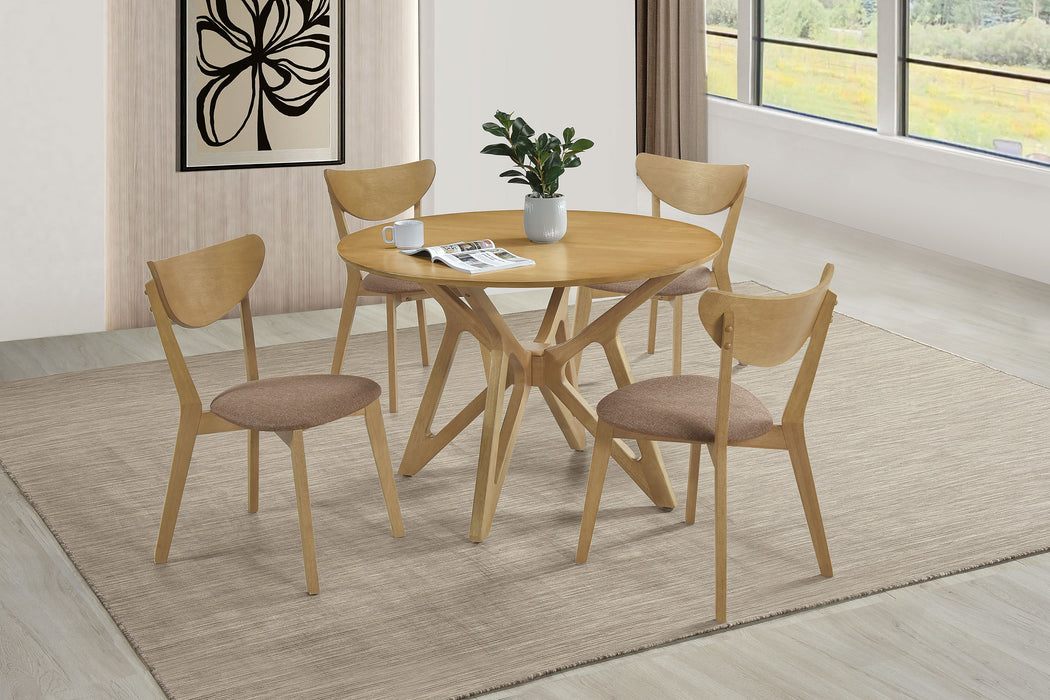
Philadelphia homes often feature compact dining areas, whether in narrow row houses in Queen Village, small apartments in Graduate Hospital, or studio lofts in Northern Liberties. Limited floor space makes it easy for a dining table to create more problems than solutions. When the table is too large or poorly placed, it blocks movement, limits seating, and turns meal times into a frustrating experience.
Many residents struggle with tables that dominate the room, make it hard to pull out chairs, or interfere with traffic flow between the kitchen and living area. These layout issues are common in the city’s older buildings with fixed walls and odd angles. Fixing them starts with understanding the most frequent mistakes and learning simple ways to create a functional, comfortable dining space.
With smart planning, even the smallest Philadelphia dining area can work well for daily meals, weekend gatherings, or quick work-from-home lunches. The right layout keeps the space open while still giving you a place to sit and enjoy time together.
One of the most common dining table layout problems in Philadelphia is selecting a table that simply doesn’t fit the available square footage. A standard six-person rectangular table can easily overwhelm a small dining nook, leaving almost no room to walk around or push chairs back.
When the table fills most of the floor space, everyday activities like setting the table or clearing dishes become difficult. Guests feel crowded, and the room loses its relaxed feel. In many city apartments, this mistake turns the dining area into a bottleneck rather than a welcoming spot.
At Z Furniture, you can find staff who understand tight Philadelphia spaces and can recommend properly scaled tables that fit real city living.
Positioning the dining table right against a wall or too near a doorway is a frequent layout error. This setup makes it hard to pull out chairs fully or move around the table comfortably. In narrow Philadelphia row homes, it can also block access to adjacent rooms or hallways.
Poor placement often forces people to squeeze past the table or step over chair legs. Over time, this creates wear on floors and constant frustration during meals. It also limits how many people can actually sit and enjoy the space at once.
Leaving enough breathing room on all sides improves flow and makes the dining area feel more open and user-friendly.
Heavy, oversized dining chairs can eat up valuable space around even a properly sized table. In tight Philadelphia homes, thick armchairs or chairs with wide backs make it difficult to tuck them neatly under the table when not in use.
This bulkiness reduces walking paths and makes the entire dining setup feel larger than it needs to be. Slimmer, armless chairs or benches often solve the problem by saving inches without sacrificing comfort or style.
Choosing the right chairs helps the whole layout work better and keeps the room from feeling overcrowded.
In many Philadelphia homes, the dining area sits between the kitchen and living room. Placing the table in the main walkway creates constant interruptions as people carry food, drinks, or groceries through the space.
This layout problem turns meal preparation into an obstacle course and makes hosting friends stressful. Good flow is essential in compact city living, where every zone serves multiple purposes.
Rethinking the table position to keep main pathways clear improves daily comfort and makes entertaining much easier.
Cramming too many seats around a small table leads to tight elbows and awkward positioning. People end up sitting too close together, which feels uncomfortable during longer meals or conversations.
In small Philadelphia spaces, it’s better to have fewer seats with proper spacing than to force maximum capacity. This approach keeps the dining experience enjoyable rather than cramped.
Allowing adequate personal space around the table makes meals more pleasant for everyone in the household.
Placing a large dining table in front of windows cuts off natural light and makes the space feel darker and smaller. Philadelphia dining areas often depend on limited window light, especially in row homes with neighboring buildings close by.
This mistake also makes it harder to open windows for fresh air or clean them regularly. The room loses its bright, airy feeling and can start to feel stuffy during meals.
Keeping windows accessible preserves light and ventilation while making the dining area more inviting.
Many Philadelphia apartments use the dining area for more than just eating — it may double as a workspace, play area, or extra seating zone. A fixed, heavy dining table setup limits these other uses and wastes valuable square footage.
Flexible solutions like folding tables, wall-mounted drop-leaf designs, or movable pieces allow the space to adapt to different needs throughout the day.
Thinking beyond traditional dining layouts helps small homes stay versatile and functional.
Dining table problems often connect to broader space issues in Philadelphia homes. Once you solve the dining layout, similar thinking can improve other areas. For example, paying attention to narrow room layouts helps create better flow throughout your entire living space.
Small adjustments in one zone frequently make the whole home feel larger and more comfortable. Taking time to test different arrangements before buying furniture pays off with a home that truly works for city living.
Local shoppers looking for solutions often search for a reliable furniture store Philadelphia that offers space-saving options tailored to tight urban homes.
Tight spaces in Philadelphia homes don’t have to mean uncomfortable dining areas. By identifying common layout problems and applying practical fixes, you can create a dining spot that feels open, functional, and welcoming.
Good measurements, flexible furniture choices, and careful placement make all the difference. Even in the smallest row home or apartment, thoughtful planning turns dining challenges into a comfortable part of daily life.
With the right approach, your dining area can support everything from quick breakfasts to relaxed family dinners while keeping the rest of your home feeling spacious and livable.
Z Furniture, based in Philadelphia (5711 N Broad St, Philadelphia, PA 19141), delivers an expert furniture store near me service built on the honest commitment of quality products, competitive pricing, and excellent customer service, backed by professional experience. The firm provides a comprehensive range of solutions for customers seeking reliable furniture store Philadelphia, from couches Philadelphia and sofa store Philadelphia to bedroom furniture Philadelphia, living room furniture Philadelphia, mattress store Philadelphia, and a wide selection of home furnishings with flexible furniture financing Philadelphia options, including affordable and cheap furniture Philadelphia choices. Recognized for its quality workmanship and 3.9-star rating, its team operates weekdays from 10:00 AM until 7:00 PM (with extended hours on weekends) and can be contacted on its primary line, (215) 224-3336.
Name: Z Furniture
Address: 5711 N Broad St, Philadelphia, PA 19141
Phone: (215) 224-3336
Website: https://zfurniturestores.com/